

International movers facilitate moves across country borders. They handle the logistics, customs documentation, and other complexities associated with international relocations.
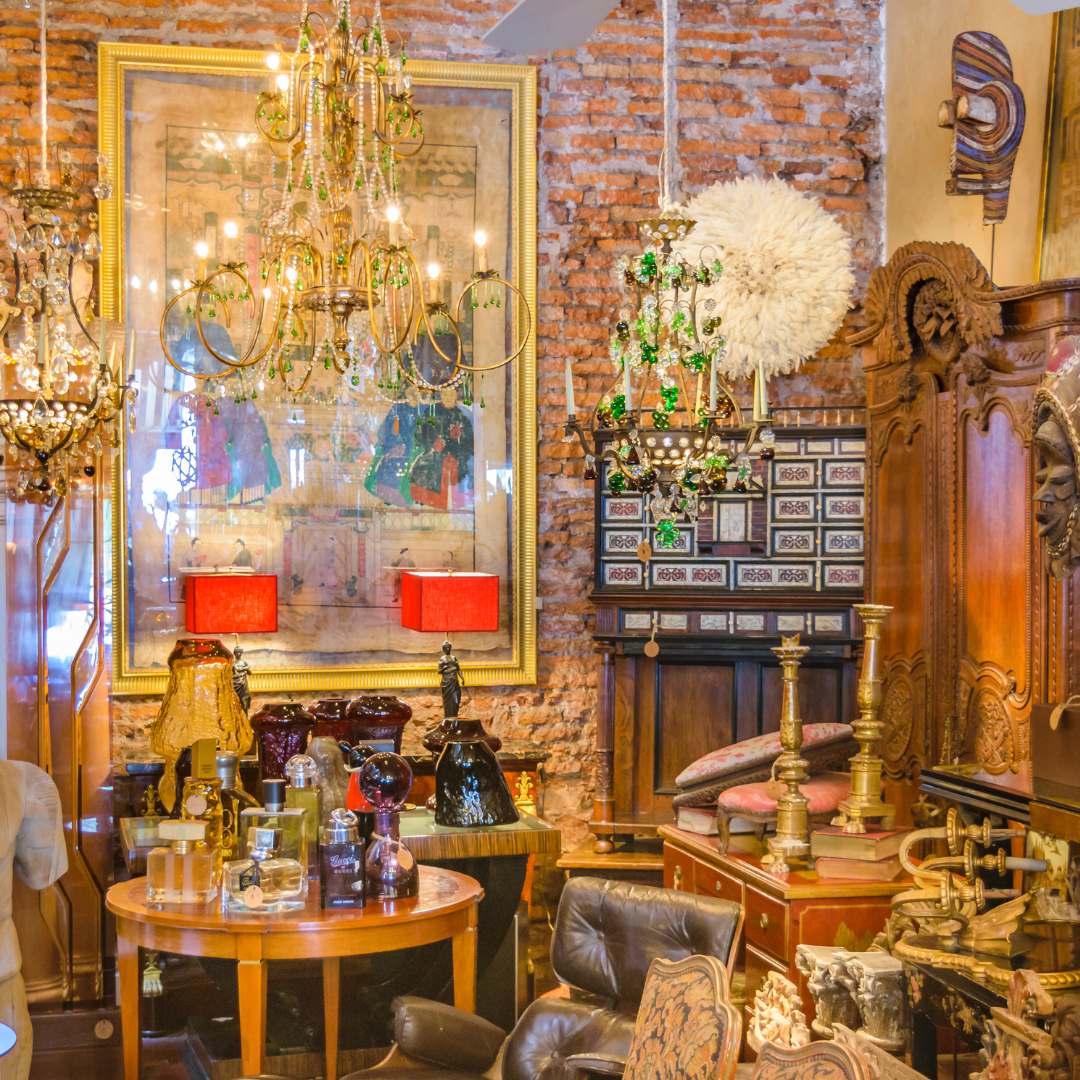
Safeguarding valuable and delicate items.
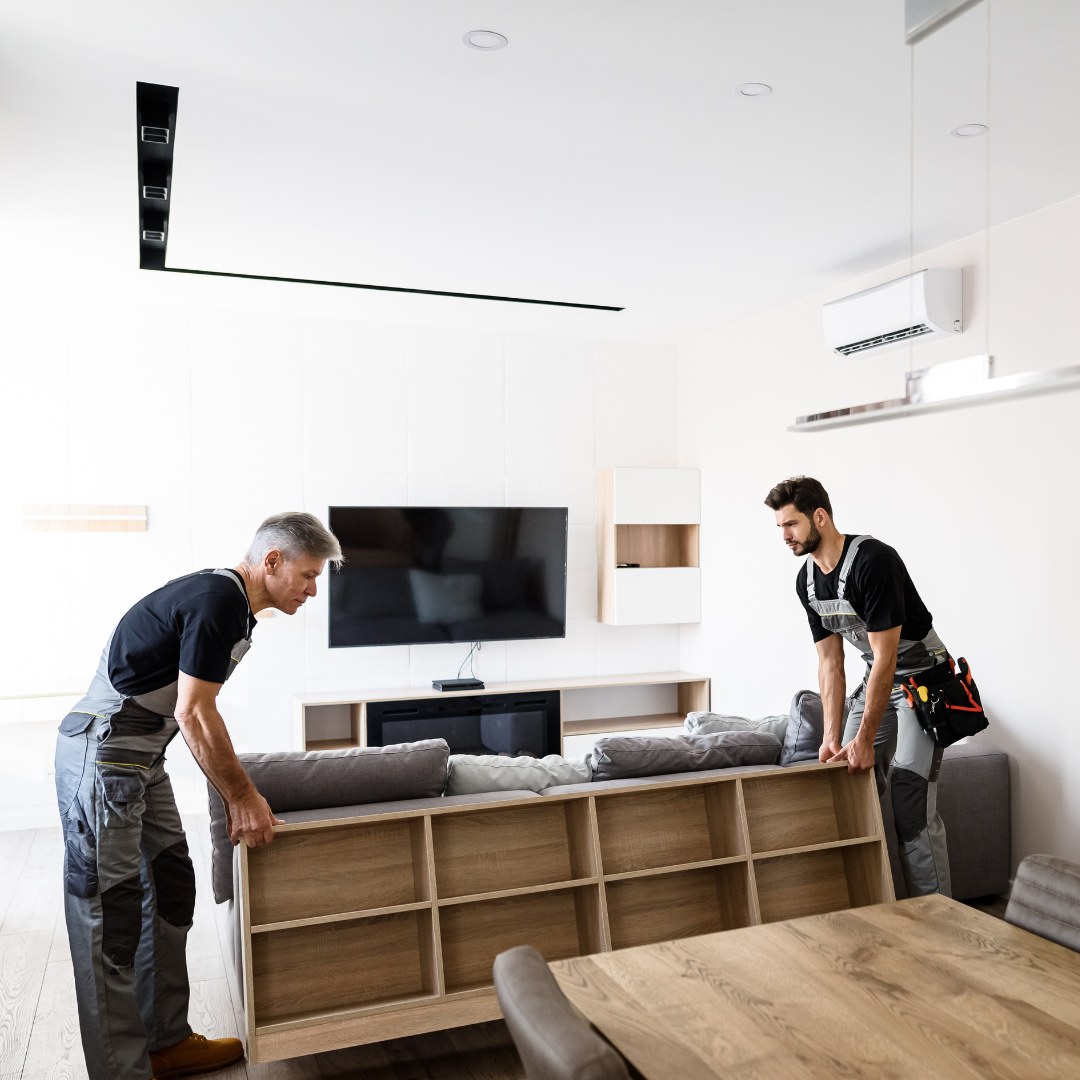
Commercial movers focus on relocating businesses and offices. They are equipped to handle the special requirements of moving office furniture, equipment, and files while minimizing disruption to business operations.

These movers specialize in helping people relocate between different states within a country. They must adhere to specific regulations and guidelines for transporting goods across state lines.
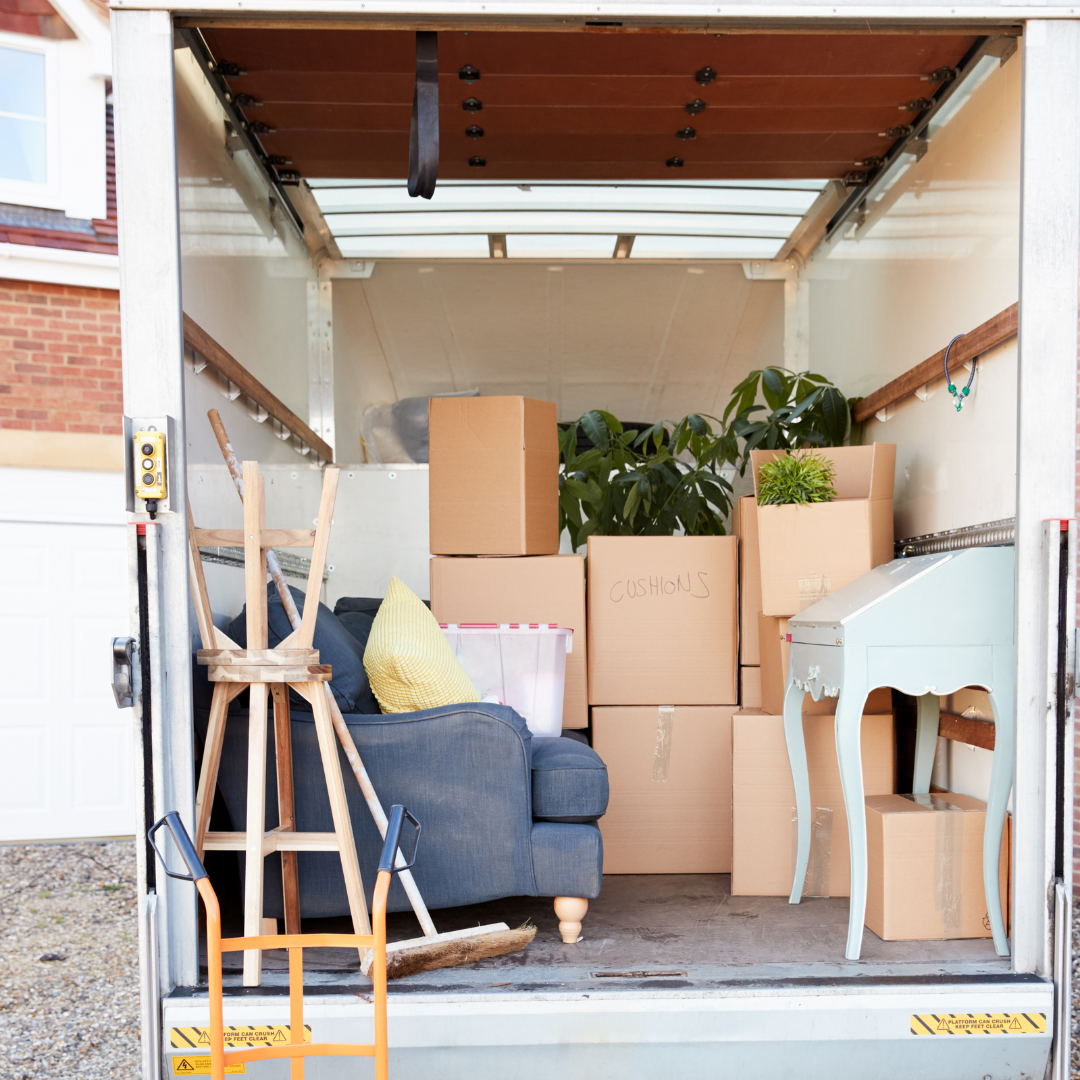
Providing rental trucks for self-moves.

Prioritizing sustainable moving practices.
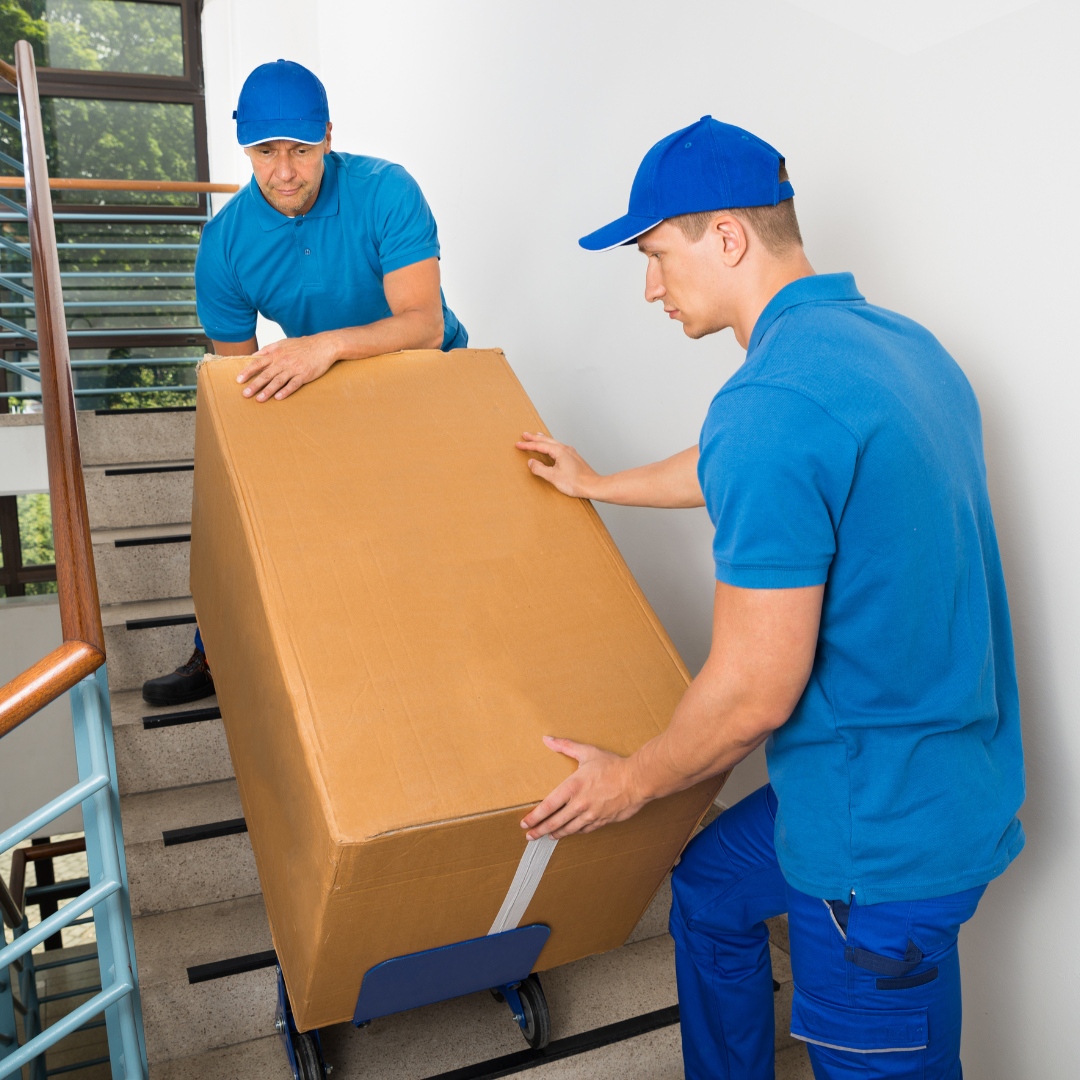
Assisting with last-minute or urgent moves.
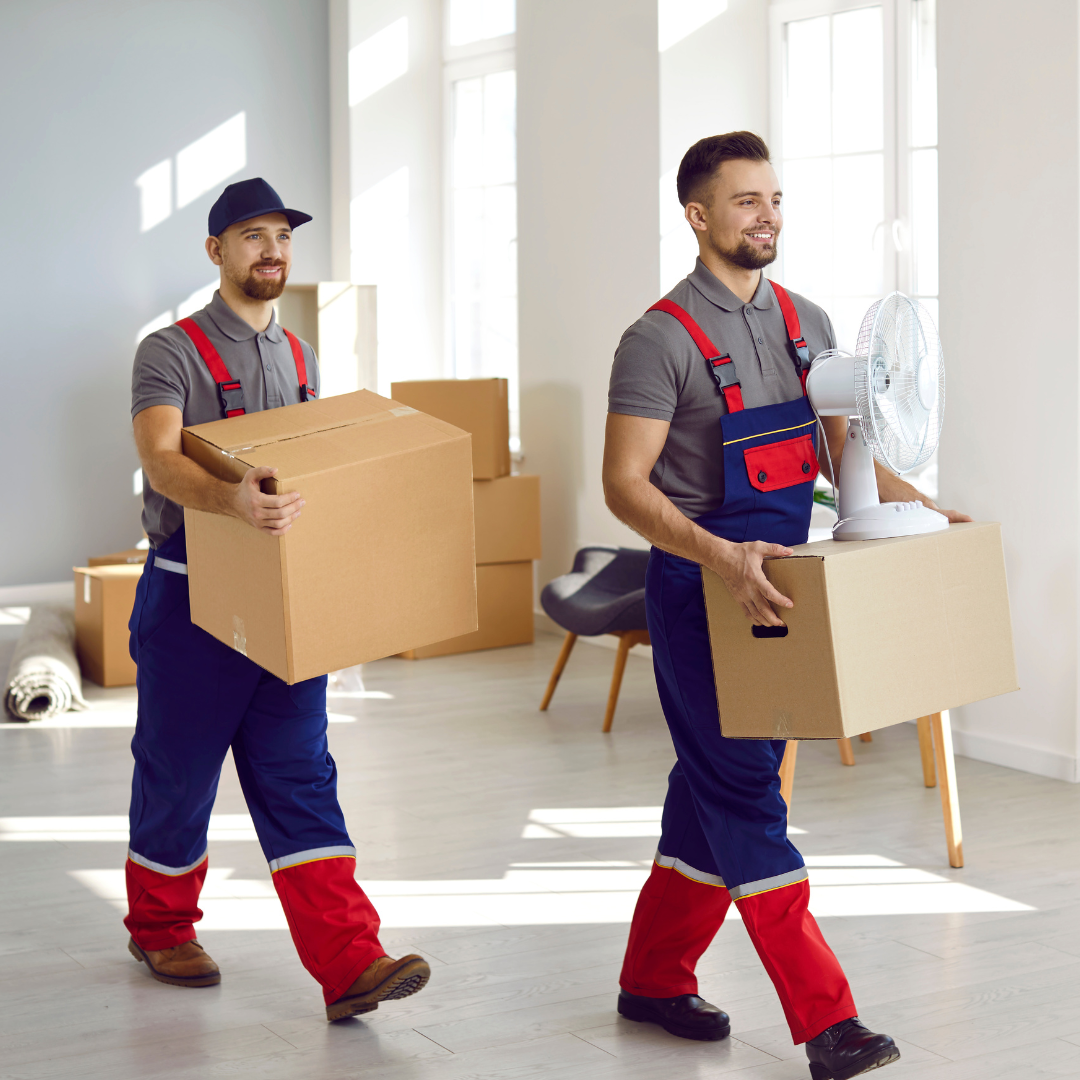
Managing all aspects of the move.

Full-service movers provide a comprehensive moving experience, including packing, loading, transportation, unloading, and even unpacking at the new location. They handle all aspects of the move.
These movers focus on helping elderly individuals and their families with downsizing, relocating, and transitioning to new living arrangements.
Military movers are contracted by military personnel to assist with their frequent relocations due to service requirements.
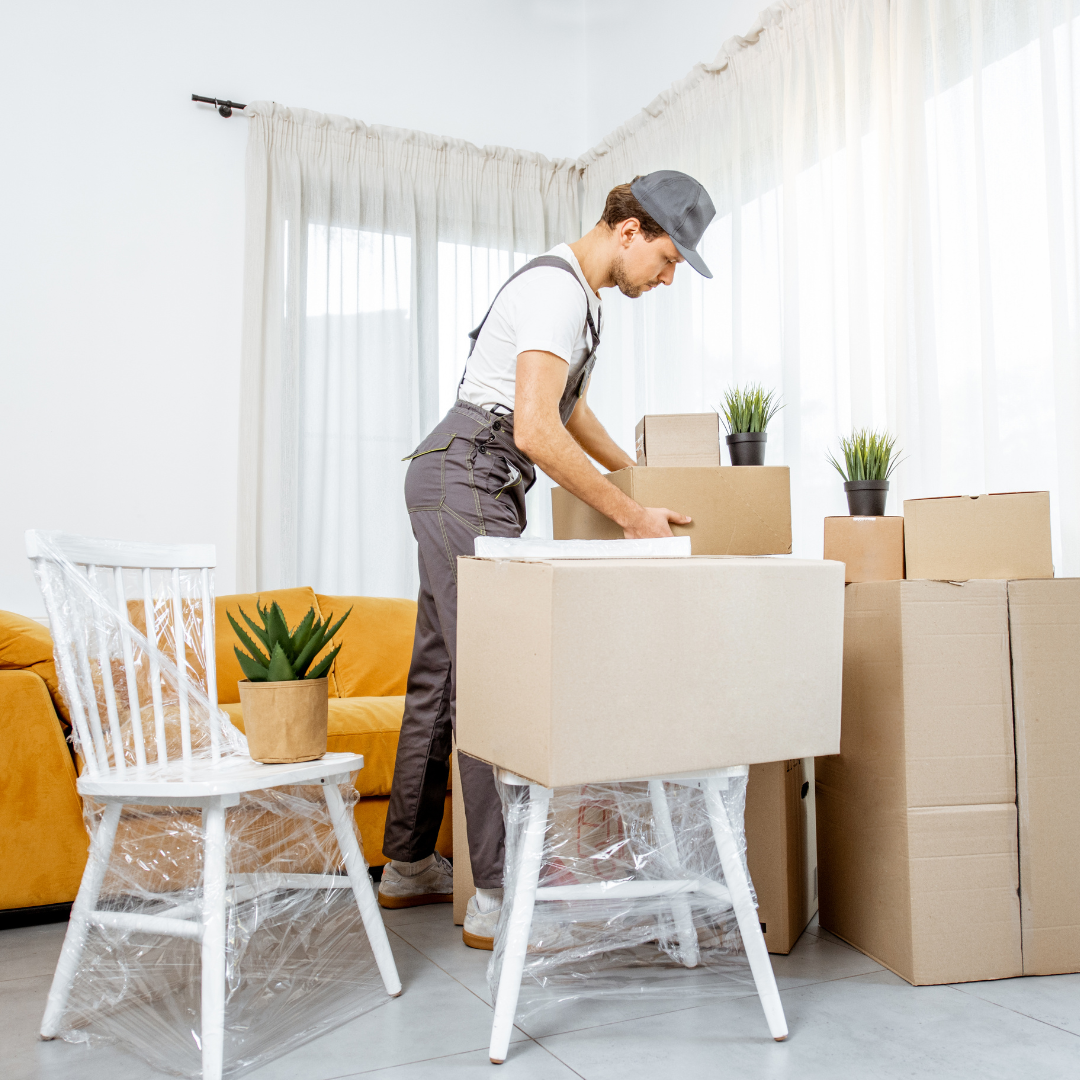
These movers provide services for short-distance relocations within a specific geographic area, typically within a single city or nearby towns.
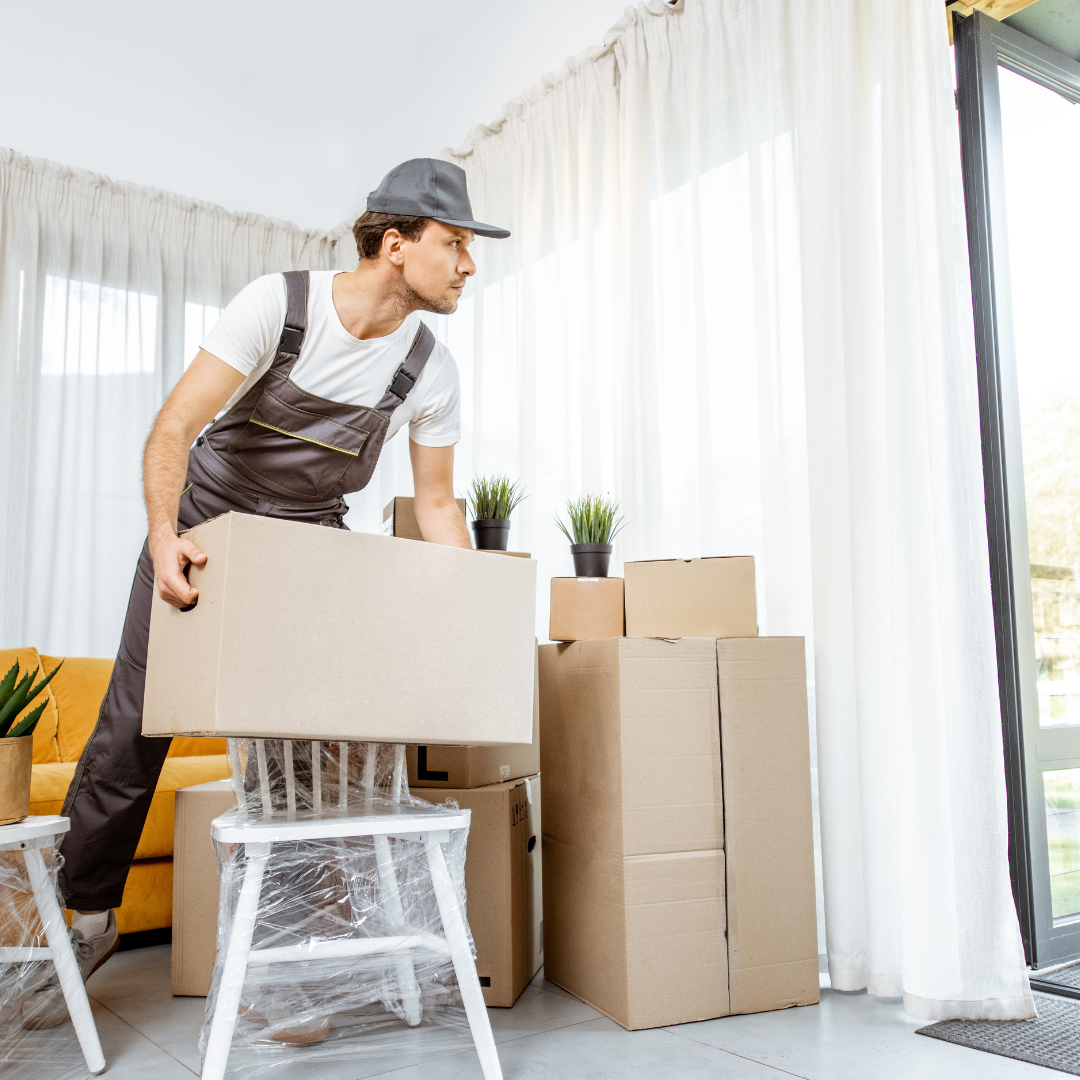
Long-distance movers handle relocations over larger distances, often between different cities or states. They have the expertise to manage moves that require more planning and coordination.
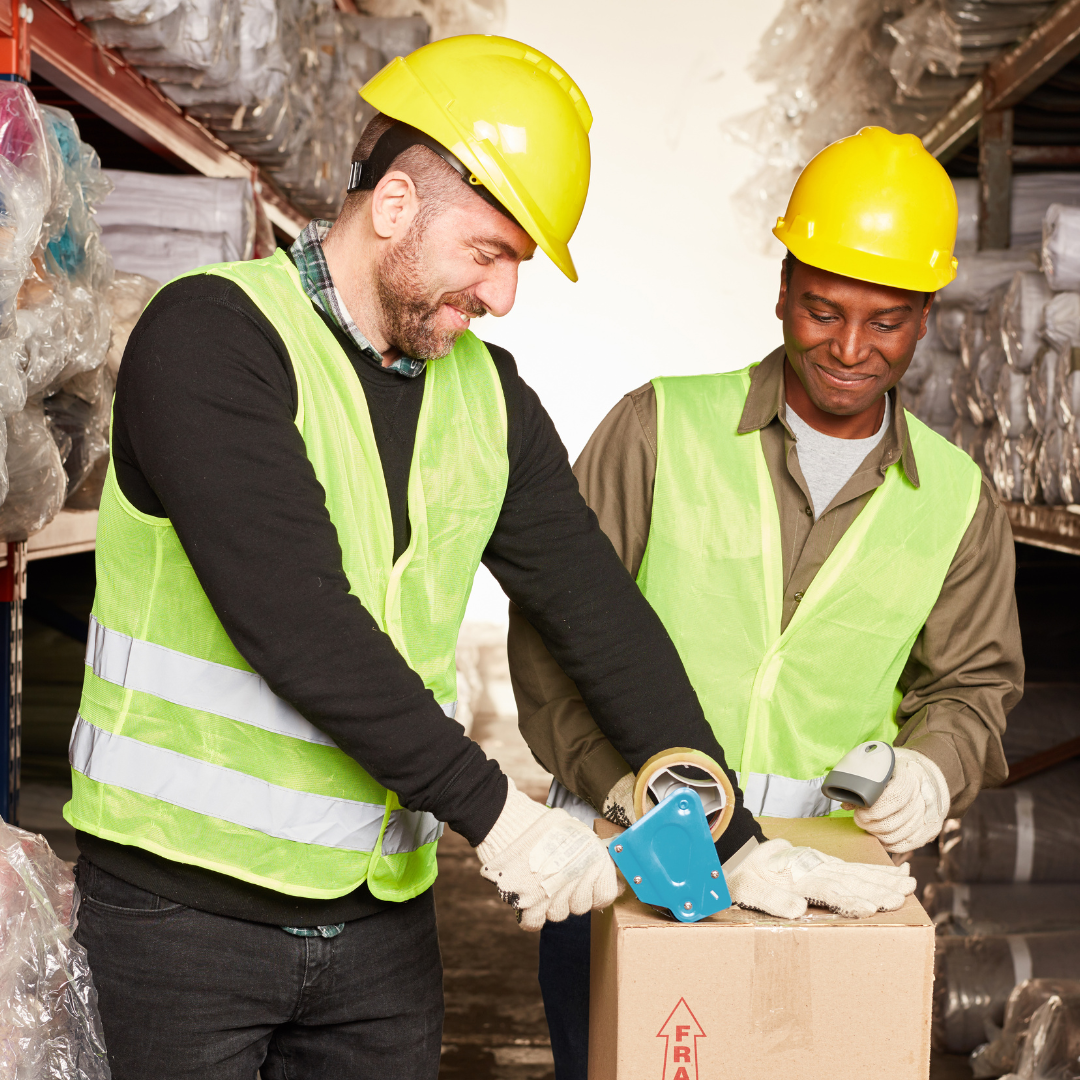
Offering packing and unpacking services.

Some movers offer specialized packing and unpacking services, which can save customers time and ensure that items are properly packed for safe transportation.
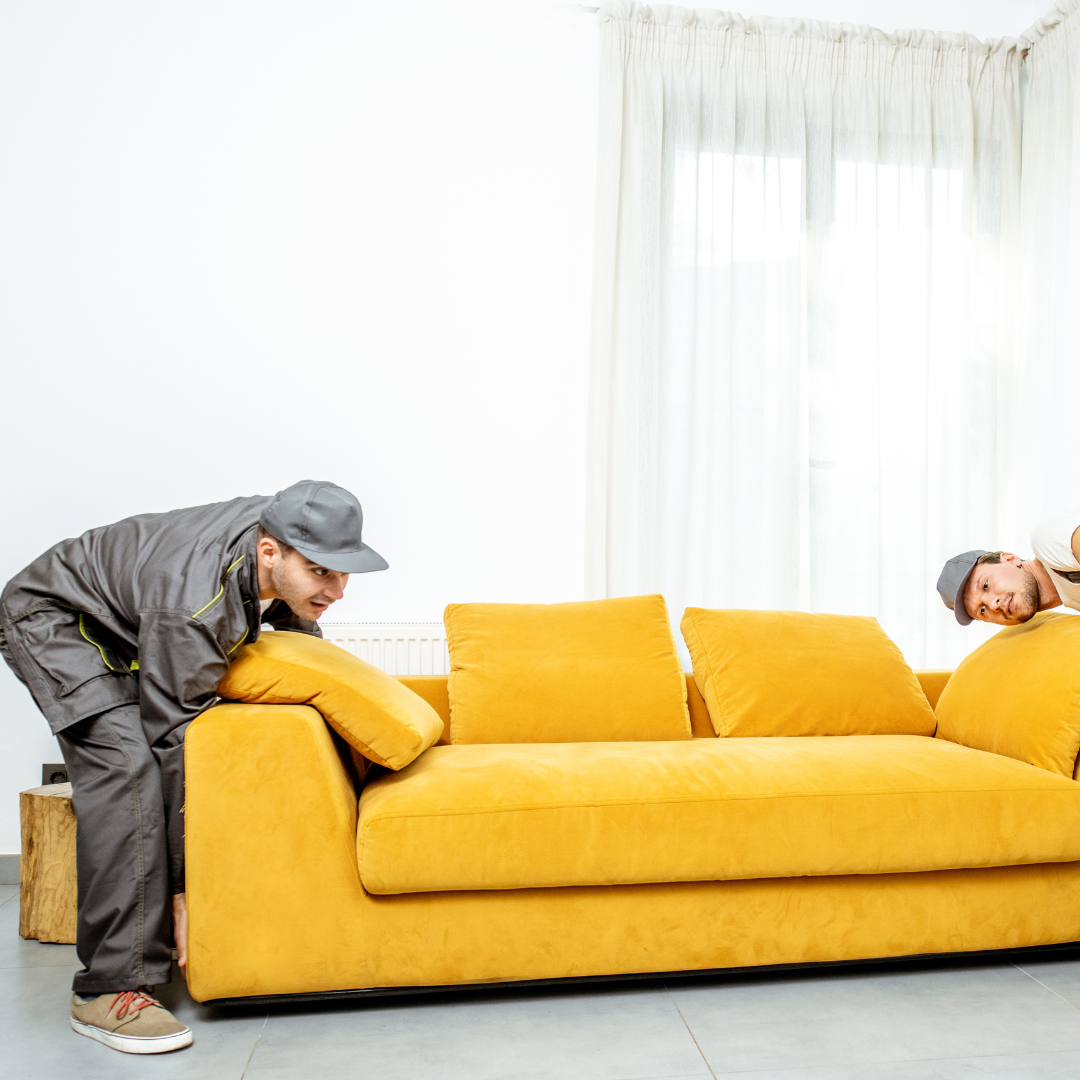
Residential movers assist individuals and families with moving their household belongings from one residence to another, whether it's a house, apartment, or condominium.

Catering to smaller-scale relocations.
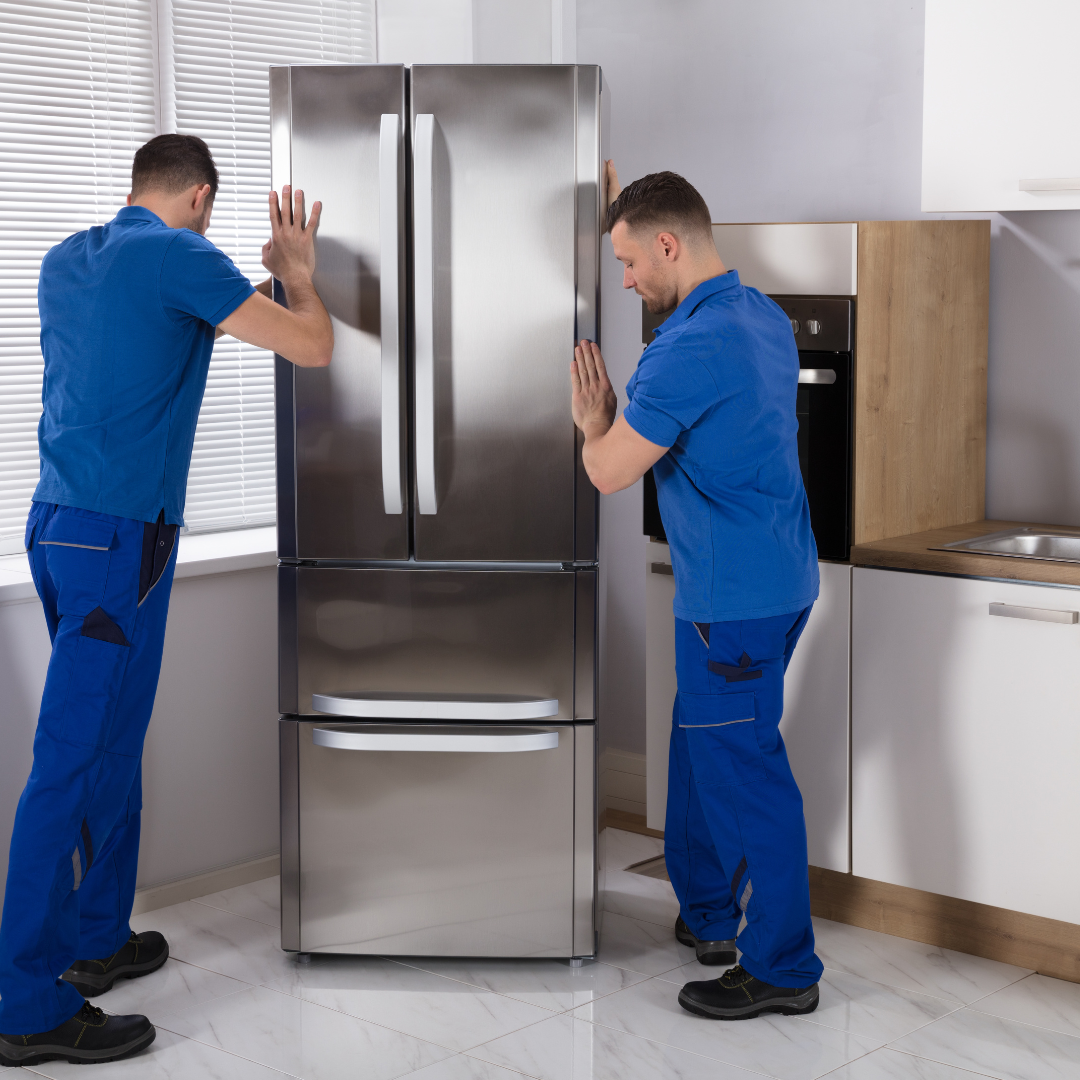
Moving large or heavy equipment.
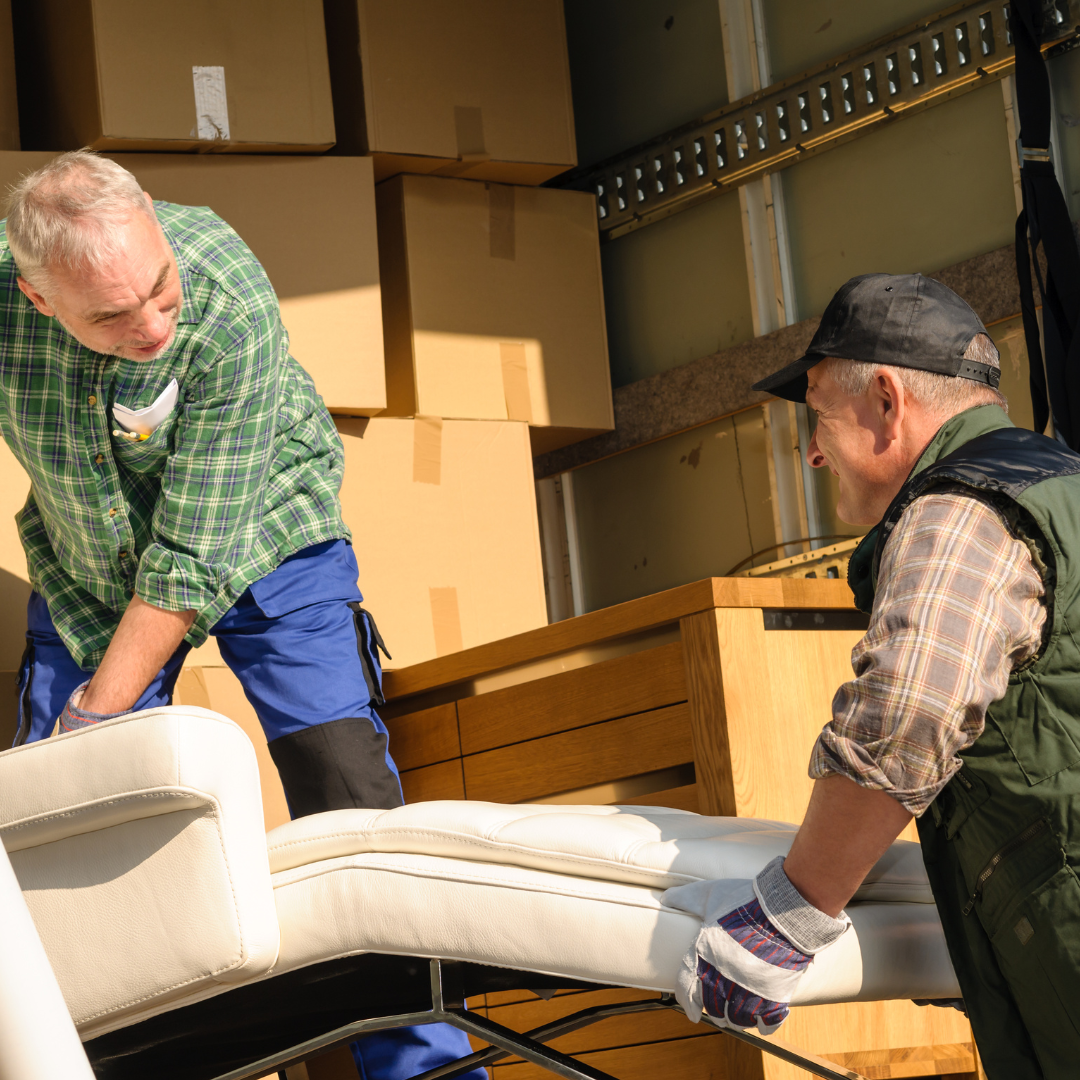
Offering storage solutions alongside moves.
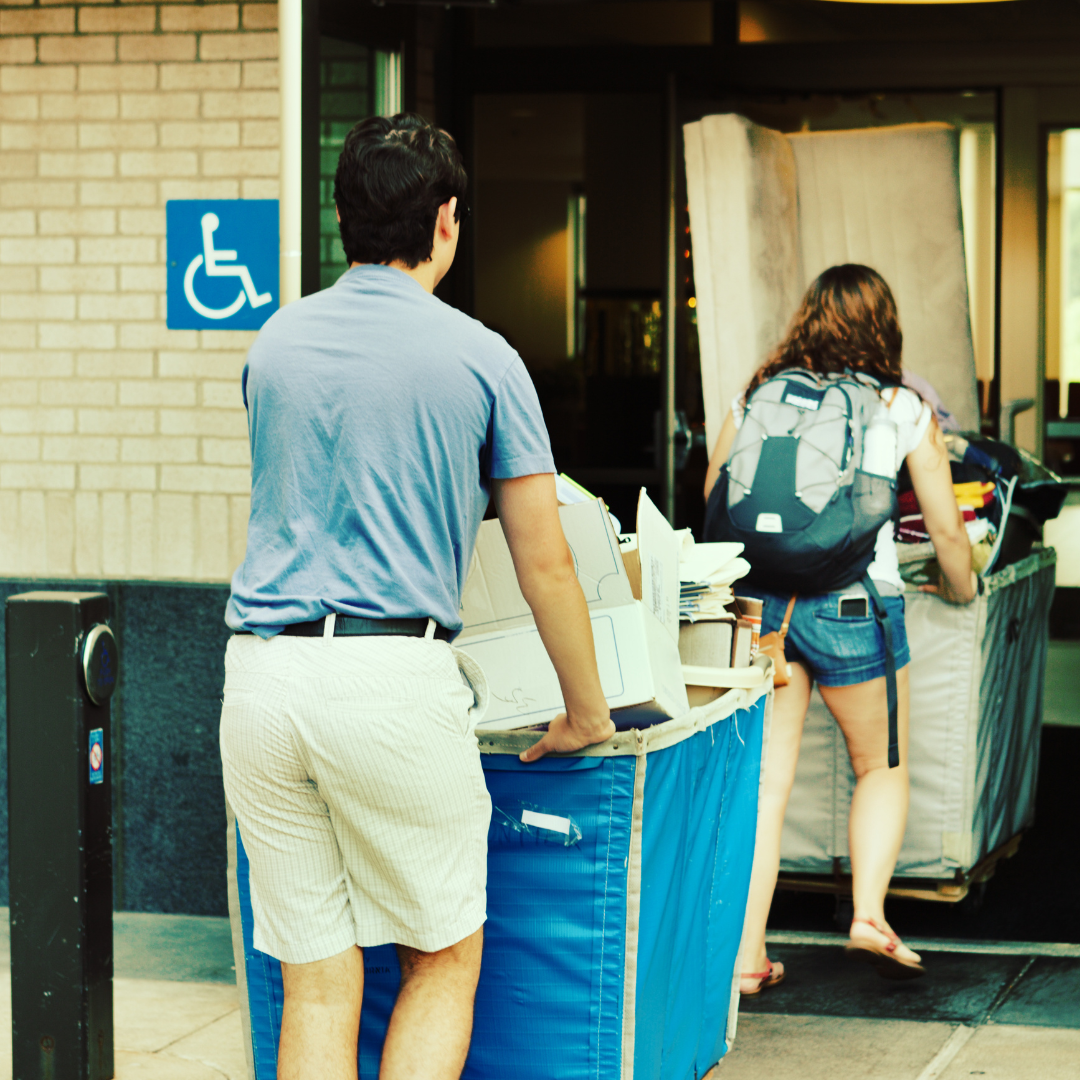
Assisting students with dorm or apartment moves.
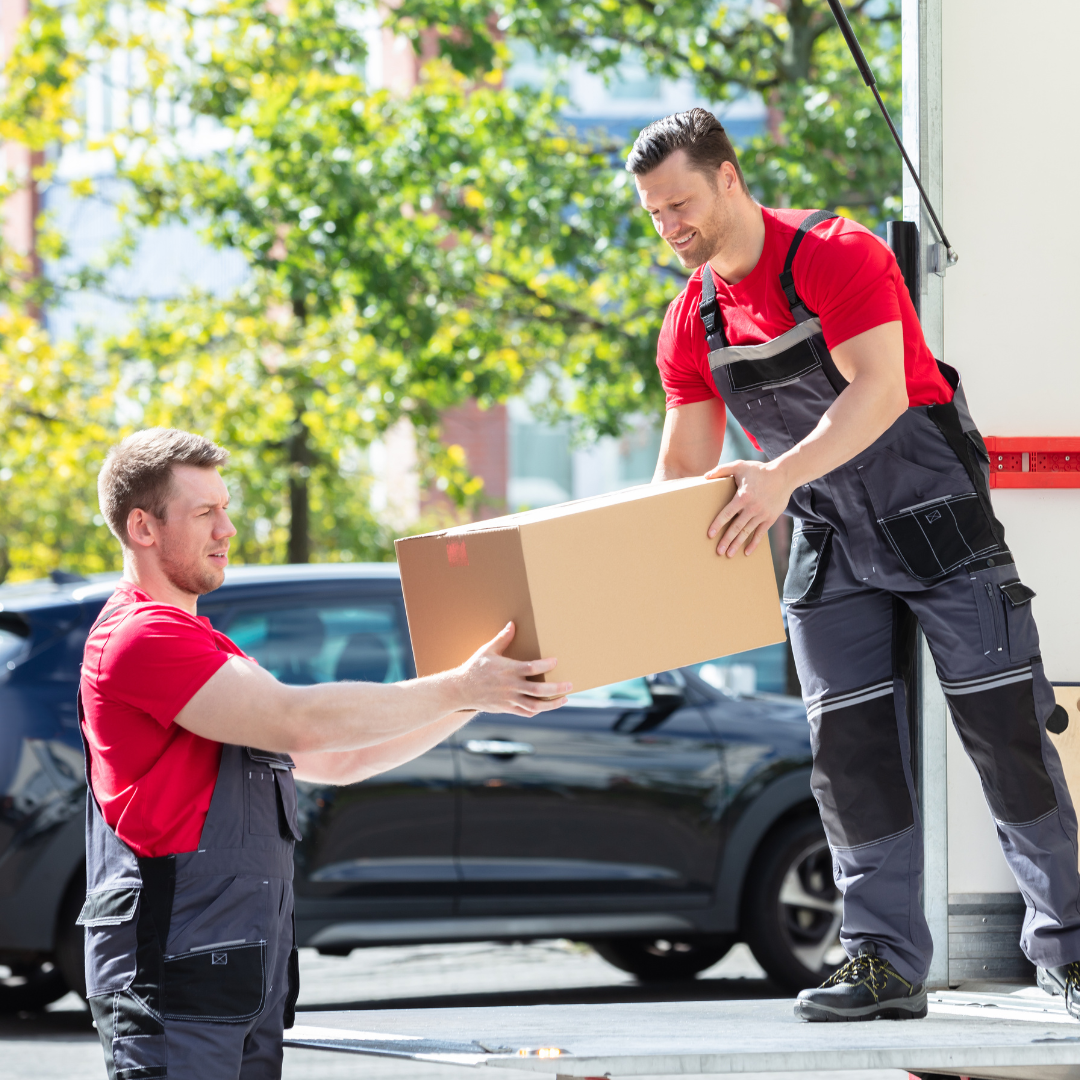
Providing premium moving experiences.
Moving in Montreal is never just about boxes and trucks. If you’ve ever done it before, you already know the real stress starts when you begin wrapping your fragile items and wondering, “Will this survive the move?”
That’s where papier déménagement becomes one of the most underrated heroes of your entire relocation.
At Move Genius Canada, we see it all the time—people underestimate packing paper, then regret it when they open a box full of broken dishes, scratched décor, or damaged glassware. The truth is simple: good wrapping material is not optional. It’s protection, peace of mind, and a smoother moving day.
Let’s break it all down in a way that actually makes sense in real life, especially if you’re moving anywhere in Montreal or nearby areas.
What is Papier Déménagement, really?
If you’re new to moving or doing it on your own for the first time, “papier déménagement” might sound fancy, but it’s actually very straightforward.
It’s basically clean, unprinted packing paper used to wrap and protect items during a move. Unlike newspaper, it doesn’t leave ink stains. Unlike bubble wrap, it’s flexible, lightweight, and perfect for filling empty spaces inside boxes.
You use it for things like:
- Plates and bowls
- Glasses and mugs
- Decorations
- Kitchen items
- Small electronics (with caution)
- Delicate household objects
The idea is simple: reduce movement inside the box so nothing bumps, scratches, or breaks during transport.
If you want a deeper breakdown of how it’s used in real moving situations, you can check this guide on papier déménagement from Move Genius Canada.
Why it matters so much in Montreal moves
Moving in Montreal has its own personality.
You deal with narrow staircases in older buildings, tight hallways, unpredictable weather, and sometimes long walks from the truck to your apartment entrance. Even a small bump can turn into a broken item if things aren’t packed properly.
That’s exactly where packing paper becomes essential.
It absorbs shock. It fills empty spaces. It prevents items from knocking into each other. And most importantly, it makes unpacking less painful.
When you use proper wrapping techniques, your move feels less chaotic and more controlled.
And honestly, that’s what most people want: fewer surprises when they open boxes at the new place.
The most common mistake people make
A lot of people in Montreal try to save money by skipping packing materials or replacing them with old newspapers, towels, or random fabric.
It sounds practical, but it often creates more problems than it solves.
Here’s what usually goes wrong:
- Ink stains on dishes and glass
- Uneven padding inside boxes
- Items shifting during transport
- Overstuffed boxes that become too heavy
- Poor protection for fragile corners
We’ve even seen cases where people thought “double boxing” would be enough without proper wrapping, and it wasn’t.
If you’re trying to reduce costs, it’s better to understand the real cout déménagement breakdown rather than cutting corners on protection materials.
Because broken items cost more than packing paper ever will.
Different types of packing paper used in moves
Not all wrapping paper is the same. Professional movers often use different layers depending on what they’re packing.
Here’s a simple breakdown:
1. Plain wrapping paper
This is your everyday protection layer. Ideal for plates, cups, and general household items.
2. Kraft paper
A stronger, more durable version used for heavier objects or double protection.
3. Tissue-style paper
Soft and gentle, used for extremely delicate items like decorative glass pieces.
4. Void fill paper
Used to fill empty spaces in boxes so nothing moves around.
Each type has a purpose, and using them correctly makes a huge difference in how your belongings survive the trip.
How professionals actually use papier déménagement
If you’ve ever watched a professional moving team at work, you’ll notice something interesting—they don’t just throw things into boxes.
They follow a pattern:
- Wrap each item individually
- Add a protective layer at the bottom of the box
- Place heavier items first
- Fill empty spaces with paper
- Seal and label properly
It looks simple, but it’s a system built from experience.
At Move Genius Canada, this approach is standard across all types of moves—whether it’s a small apartment or a full house relocation.
Even specialty services like déménagement piano transport require careful wrapping and cushioning because one wrong move can damage something extremely valuable.
Step-by-step: how you should use packing paper at home
If you’re packing yourself, here’s a practical way to do it without overthinking:
Start with a clean, flat surface. Lay out your wrapping paper and begin with one item at a time. Wrap it fully so no surface is exposed. For fragile items like glasses, stuff the inside with crumpled paper before wrapping the outside.
When placing items in boxes, think about stability. Heavy items go at the bottom, lighter ones on top. Every gap should be filled.
Don’t rush this part. It’s where most damage happens.
If you’re unsure about packing large appliances, guides like déménagement frigo explain how professionals handle bulky and sensitive items safely.
Fragile items need extra attention
Some items just don’t forgive mistakes.
Glassware, ceramics, mirrors, and decorative pieces require more than just a quick wrap. They need layers, cushioning, and proper placement.
For example:
- Plates should be stacked vertically, not flat
- Glasses should never touch each other directly
- Mirrors should be wrapped with multiple protective layers
- Decorative items should be boxed individually if possible
Even small mistakes here can turn into broken memories.
This is why professional movers never treat fragile packing as optional—it’s a priority.
Montreal apartments and tight spaces
If you’ve moved in Montreal before, you already know how challenging some buildings can be.
Narrow staircases, no elevators, small entryways—it all adds pressure to packing quality. If your boxes are poorly prepared, they won’t survive those tight corners.
This is especially true in busy urban areas or when moving into iconic zones like Olympic-style housing layouts, where space is limited and movement is tricky. Moves like these often require extra care, similar to what’s described in déménagement olympique.
Good packing paper makes these situations much easier to handle because it keeps everything stable inside the box, even when the outside environment is chaotic.
Long-distance moves and why paper becomes even more important
If you’re moving outside Montreal—maybe to places like Vaudreuil, La Prairie, or Mont-Bruno—the distance adds another layer of risk.
More time on the road means more vibration, more movement, and more chances for items to shift.
That’s why proper wrapping becomes non-negotiable.
You can explore regional moving options like:
Each of these areas has its own moving challenges, but one thing stays consistent: proper packing makes everything easier.
DIY moving vs professional help
Some people prefer doing everything themselves, especially through platforms like Kijiji.
While that can work for small moves, most people underestimate how quickly things get complicated.
A DIY move often means:
- Underestimating packing time
- Running out of materials
- Improvising protection
- Dealing with damaged items afterward
If you’ve ever considered it, this guide on Kijiji déménagement gives a realistic look at what to expect.
Professional movers, on the other hand, already have systems, materials, and experience. That includes proper use of papier déménagement at every stage.
Special items that need more than standard wrapping
Some belongings need specialized handling, not just basic paper wrapping.
For example:
- Fridges require careful securing and padding during transport (déménagement frigo)
- Garden sheds or outdoor storage units need structured packing (déménagement cabanon)
- Long-distance regional relocations need reinforced packing strategies (déménagement Rivière-du-Loup)
Each situation is different, but packing paper is always part of the foundation.
Moving mindset: why people underestimate packing materials
There’s something interesting about moving—most people think the hardest part is lifting furniture or renting a truck.
But in reality, the hardest part is preparation.
Packing paper doesn’t feel important until something breaks. Then it suddenly becomes the most valuable part of the entire process.
Even emotional aspects of moving—like stress, attachment, and change—come into play. Many people don’t realize how moving can feel overwhelming until they experience it. There are even articles exploring this emotional side, like rêver de déménagement, which shows how deeply moving impacts people mentally.
How Move Genius Canada approaches packing quality
At Move Genius Canada, packing isn’t treated as an afterthought. It’s part of the strategy from the beginning.
Whether it’s a local move in Montreal or a long-distance relocation, the goal is always the same: protect everything as if it were our own.
That includes:
- Using proper papier déménagement for fragile items
- Structuring boxes by weight and fragility
- Reducing movement inside containers
- Planning loading order carefully
Even “small” details matter, because they prevent big problems later.
You can explore more about services and coverage across different areas like déménagement bon avenir to understand how planning varies depending on destination and complexity.
The real takeaway
If there’s one thing to remember about moving in Montreal, it’s this: packing paper is not optional.
It’s one of the simplest tools that makes the biggest difference. It protects your belongings, reduces stress, and helps everything arrive safely.
You don’t need complicated systems or expensive materials. You just need to use the right wrapping method and treat each item with a bit of care.
And if you’d rather not deal with the hassle, professional help from Move Genius Canada can take that entire weight off your shoulders.
1. What is papier déménagement and why should you use it during a move in Montreal?
Papier déménagement is basically packing paper used to wrap and protect your belongings when you’re moving. If you’ve ever opened a box after a move and found broken glasses or chipped plates, you already know why it matters. This paper creates a soft layer between your items so they don’t hit each other during transport. In Montreal, where moves often involve stairs, tight hallways, and unpredictable handling, it becomes even more useful.
You use it for everyday fragile items like dishes, mugs, decorations, and glassware. It’s flexible, clean, and doesn’t leave ink stains like newspapers. If you want a deeper breakdown of how it works in real moves, you can check this guide on papier déménagement by Move Genius Canada. It helps you understand how professionals use it to reduce damage and make packing more organized and less stressful.
2. Can I use newspaper instead of packing paper?
You technically can, but it’s not the best idea. Newspaper tends to leave ink marks, especially on glass, ceramics, and anything light-colored. That means you might end up cleaning your items after the move—or worse, dealing with permanent stains. It also doesn’t provide the same clean cushioning effect that proper packing paper does.
When you’re moving in Montreal, things already get a bit chaotic with tight stairs, elevators, and traffic delays. So using the right materials actually saves you time and stress later. Packing paper is designed to protect, while newspaper is just a last-minute substitute. If you’re trying to reduce overall moving stress, it’s better to plan properly and follow guides like déménagement bon avenir to understand how preparation makes everything smoother.
3. How much packing paper do I need for a typical apartment move?
The amount really depends on how many fragile items you own, but for an average one-bedroom or two-bedroom apartment in Montreal, you usually need several bundles or rolls. Kitchens tend to use the most because of plates, glasses, bowls, and cookware. Living rooms and bedrooms need less unless you have decorative items or electronics that need wrapping.
A good rule is to always buy a little extra. Running out halfway through packing is frustrating and slows everything down. You can also mix usage by combining packing paper with other materials, but paper should still be your base layer. If you want to understand full planning costs and material estimates, the cout déménagement guide from Move Genius Canada can help you estimate everything properly, including supplies like packing paper.
4. How do professionals use papier déménagement during moves?
Professional movers don’t just randomly wrap things—they follow a system. First, each fragile item is wrapped individually using packing paper. Then, they create a soft base layer at the bottom of each box. After placing items, they fill all empty spaces with crumpled paper so nothing shifts during transport.
This method is especially useful in Montreal where moves often involve stairs or longer carrying distances. Even a small shift inside a box can lead to damage. That’s why companies like Move Genius Canada train teams to treat packing as a critical step, not an extra task.
If you’re curious about how this system applies to different types of moves, services like déménagement Vaudreuil show how packing strategies adjust depending on location and travel distance.
5. What items should always be wrapped with packing paper?
You should always wrap anything fragile or breakable. This includes glassware, plates, mugs, ceramics, small kitchen appliances, and decorative items like photo frames or ornaments. Even things that don’t seem fragile can benefit from it if they have sharp edges or delicate surfaces.
In Montreal moves, boxes often get stacked and moved quickly, so protection becomes important even for “semi-fragile” items. Packing paper prevents scratches, cracks, and movement inside the box. It also helps organize items better so unpacking feels less messy.
For larger or more delicate belongings, like appliances or heavy equipment, you might need extra care. For example, specialized moves such as déménagement frigo show how different items require different packing techniques beyond just basic wrapping.
6. Is packing paper reusable after a move?
In most cases, packing paper is not reused. Once it has been crumpled, torn, or used to absorb pressure during a move, it loses its protective quality. However, if some sheets remain clean and flat, you can definitely save them for storage or future small packing tasks.
The main job of papier déménagement is protection, not durability. So it’s designed to be used once during a move and then replaced. Trying to reuse heavily used paper may reduce safety for your items.
If you’re planning another move or storage situation, it’s usually better to get fresh material. You can also explore different moving scenarios like déménagement Mont-Bruno to see how packing needs change depending on distance and conditions.
7. Can packing paper protect electronics?
Yes, but with some caution. Packing paper can protect smaller electronics from scratches and minor movement, but it should never be the only layer for high-value or sensitive devices. Items like speakers, small kitchen electronics, or accessories can be wrapped in paper first and then placed inside a well-cushioned box.
For anything more delicate, you’ll want to combine packing paper with stronger padding materials. Electronics are sensitive to shock, so stability inside the box matters more than anything else.
If you’re moving larger or more complex items, professional services like déménagement piano transport show how important proper handling and layered protection can be. The same idea applies to electronics—safe movement is all about reducing vibration and impact.
8. Why is packing paper better than bubble wrap in some cases?
Both materials are useful, but they serve slightly different purposes. Bubble wrap is great for cushioning impact, while packing paper is better for filling space and wrapping multiple items efficiently. In many Montreal moves, people actually use both together.
Packing paper is also easier to shape around items and is more cost-effective when you have a lot of things to pack. It helps prevent movement inside boxes, which is just as important as shock absorption.
If you’re doing a full home move, combining materials is usually the smartest approach. You can also explore different moving types like déménagement La Prairie to see how packing strategies shift depending on distance and load.
9. How should I store packing paper before and after a move?
Before your move, keep packing paper in a dry place where it won’t get crushed or exposed to moisture. A closet, storage bin, or unused corner of a room works fine. Keeping it organized helps when you’re packing quickly, especially if you’re doing everything in a short time.
After the move, if you still have clean sheets left, you can store them flat for future use. If they’re already crumpled and used, it’s usually best to recycle them. The key is keeping things simple and not overcomplicating storage.
When planning a move, especially in busy cities like Montreal, good organization saves a lot of time. Guides like déménagement riviere du loup show how planning ahead makes long-distance and local moves much easier to handle.
10. Do I really need professional help if I already have packing paper?
Packing paper definitely helps, but it’s only one part of the moving process. You still need proper loading, transport, and handling. Many people in Montreal start by doing everything themselves, then realize how physically and mentally draining it becomes.
Professional movers bring experience, speed, and structure. They already know how to use materials like packing paper efficiently, so nothing gets wasted or underused. If your move includes heavy furniture, fragile items, or tight schedules, getting help can make a big difference.
Even people who start with DIY often switch halfway when things get overwhelming. You can look at different service approaches like déménagement Verreault to understand how professional support changes the experience from stressful to manageable.